Introduction: The Simplicity of Running
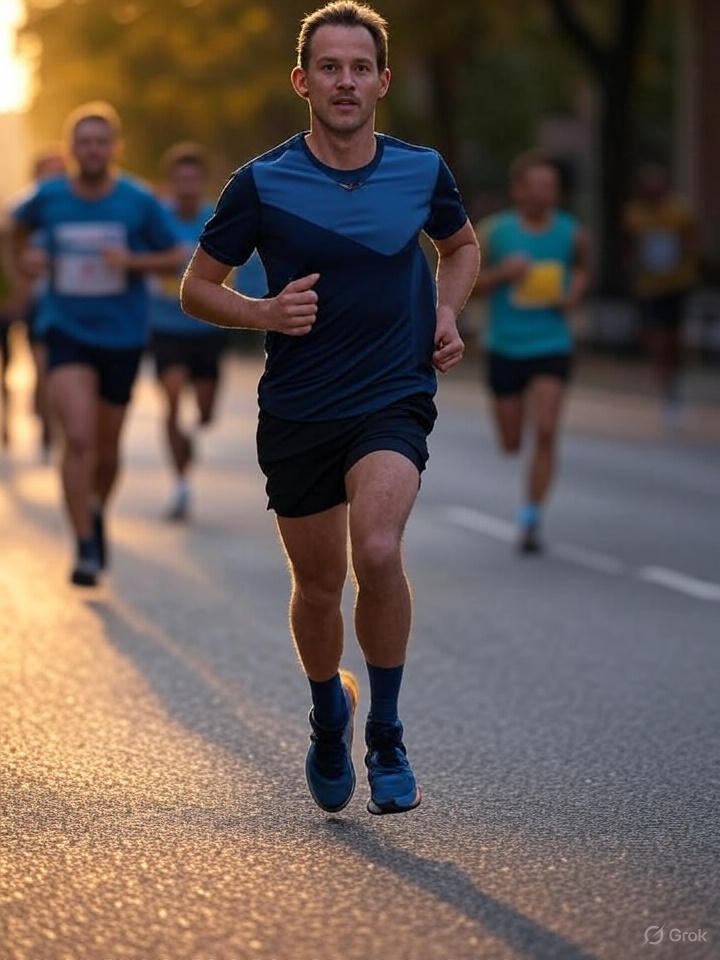
In a world overflowing with complex wellness routines, supplements, high-tech gadgets, and expensive gym memberships, there is one activity that remains timeless, accessible, and incredibly effective—running. For centuries, humans have run not only as a necessity for survival but also as a way to connect with their bodies and the world around them. Today, science continues to reveal what many runners already know instinctively: running is not just exercise—it is a natural prescription for better living.
Unlike pills or medical treatments, running comes with no side effects other than occasional sore muscles and perhaps a little sweat. Yet its benefits are vast, encompassing the body, mind, and spirit. Every step taken on a trail, road, or treadmill has the potential to improve physical health, mental clarity, emotional balance, and even longevity.
This article explores how running functions as a holistic medicine, promoting wellness in ways that modern science is only beginning to fully understand.

Part 1: Running as Medicine for the Body
1.1 A Stronger Heart
Running is one of the best cardiovascular exercises. It trains the heart to pump more efficiently, reduces blood pressure, and improves circulation. Regular runners have a significantly lower risk of heart disease, stroke, and hypertension.
Medical studies show that even 5–10 minutes of running per day at a slow pace reduces cardiovascular risk and extends life expectancy. It proves that small, consistent doses of this “natural medicine” can transform long-term health.
1.2 Weight Management
Obesity is one of the greatest health challenges of our era. Running burns more calories per minute than almost any other form of exercise. Roughly 100 calories are burned per mile, making it a highly effective way to maintain or reduce weight. Unlike restrictive diets or quick fixes, running helps regulate appetite, boost metabolism, and support long-term weight balance.
1.3 Musculoskeletal Health
Running is a weight-bearing exercise, meaning it strengthens bones and muscles at the same time. Each stride builds lean muscle, enhances bone density, and reduces the risk of osteoporosis later in life. Far from “ruining the knees” (a common myth), moderate running actually protects joint health when practiced with proper form and balanced recovery.
1.4 Immune System Boost
Runners often experience fewer colds and recover faster from minor illnesses. The rhythmic activity of running promotes better circulation of immune cells, allowing the body to fight infections more efficiently.
Part 2: Running for Longevity
2.1 Adding Years to Life
One of the most remarkable benefits of running is its ability to extend lifespan. Research published in the Journal of the American College of Cardiology revealed that runners live 3 years longer on average than non-runners. The effect is independent of age, weight, or gender—running truly is a universal prescription for longevity.
2.2 Slowing Cellular Aging
Running influences aging on a cellular level. It helps preserve telomeres—the protective ends of DNA strands that shorten as we age. Longer telomeres are associated with slower aging and reduced risk of chronic disease.
2.3 Healthy Aging and Independence
As people grow older, the ability to move freely becomes one of the most important factors in quality of life. Running preserves balance, coordination, and strength, helping older adults maintain independence and vitality well into their later years.
Part 3: Running for Mental Wellness
3.1 Stress Relief
Running is nature’s stress reliever. Each step reduces levels of cortisol, the stress hormone, while increasing the release of endorphins—our body’s natural painkillers and mood elevators. Even a short jog after a tough day can act as a mental reset, clearing away anxiety and worry.
3.2 Combating Depression and Anxiety
Many mental health experts now recommend exercise, especially running, as part of treatment for mild to moderate depression. Running stimulates the production of serotonin and dopamine, neurotransmitters that regulate mood and emotional balance. Unlike medication, running carries no risk of chemical dependency—it’s a natural antidepressant.
3.3 Boosting Brain Function
Running improves memory, focus, and decision-making skills by increasing blood flow to the brain. Studies show that regular runners perform better on cognitive tests and are at lower risk of dementia and Alzheimer’s disease.
3.4 The “Runner’s High”
Perhaps the most famous psychological benefit of running is the “runner’s high,” a euphoric state brought on by the release of endorphins and endocannabinoids. This sensation of lightness and happiness keeps many runners coming back—it’s proof that running heals the mind as well as the body.
Part 4: Emotional and Spiritual Benefits
4.1 Building Confidence
Running naturally fosters self-belief. Completing a challenging run or hitting a personal record instills confidence and resilience. For many people, these victories on the track translate into greater confidence in other areas of life.
4.2 A Moving Meditation
The rhythmic sound of footsteps and the flow of breath can transform running into a meditative practice. This moving meditation allows runners to focus on the present moment, release mental clutter, and find clarity. It becomes more than exercise—it becomes a spiritual experience.
4.3 Connection with Nature
Trail running or outdoor jogging provides a deep connection to nature. Fresh air, sunlight, and green landscapes combine with the physical activity to reduce stress and restore emotional balance. In a society dominated by screens, running outdoors is a powerful way to reconnect with the natural world.
Part 5: Running as Preventive Medicine
5.1 Reducing Chronic Disease Risks
Running is one of the most effective forms of preventive medicine. Regular running lowers the risk of:
- Type 2 diabetes
- High blood pressure
- Obesity
- Certain cancers, including colon and breast cancer
It’s a natural prescription that costs nothing but time and effort, yet pays massive dividends in health.
5.2 Improved Sleep
Runners often enjoy deeper, more restorative sleep. The physical exertion of running helps regulate circadian rhythms, reduce insomnia, and improve overall sleep quality.
5.3 Stronger Respiratory System
Running increases lung capacity and strengthens respiratory muscles. Over time, this improves endurance, oxygen efficiency, and resilience against respiratory illnesses.
Part 6: Social and Community Wellness
6.1 Running Together
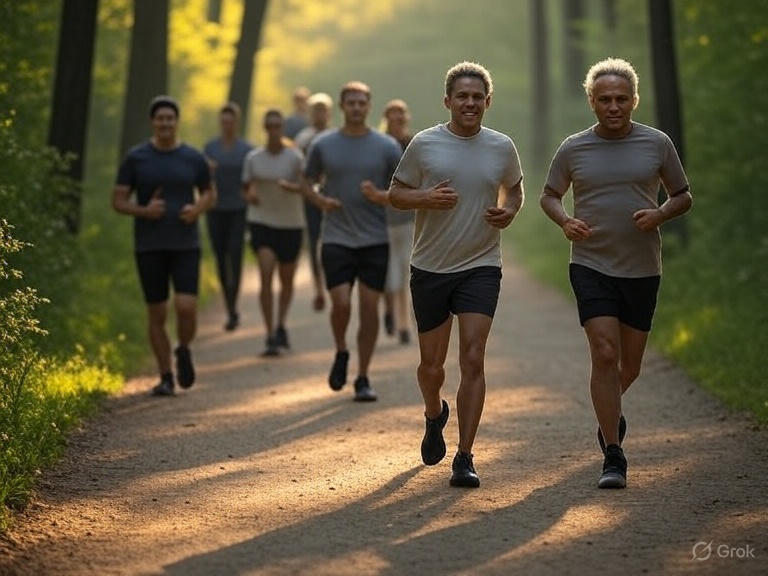
Running is not just a solo activity—it can be deeply social. Running groups, local 5Ks, and marathons bring people together, fostering friendships, accountability, and mutual encouragement.
6.2 Family Wellness
Running can also be a family affair. Parents who run often inspire children to adopt healthier habits, making wellness a shared lifestyle. Families who run together strengthen both their health and their bonds.
6.3 Global Running Movement
Across the world, running unites people across cultures. Events like the Boston Marathon or community parkruns prove that running transcends borders. It is a global wellness movement—simple, accessible, and universal.
Part 7: Practical Tips to Run into Wellness
7.1 Start Small
Beginners don’t need to run marathons. Even a few minutes per day delivers benefits. The key is consistency. Start with manageable goals and build gradually.
7.2 Prioritize Recovery
To unlock long-term benefits, balance running with rest, stretching, and proper nutrition. Overtraining can lead to injuries, while recovery ensures progress.
7.3 Find Joy in the Process
Running should not feel like punishment. Experiment with routes, music, running buddies, or trail runs until you find what excites you. Joy is essential for sustainability.
7.4 Invest in Good Shoes
While running requires minimal equipment, proper footwear is essential. Supportive shoes reduce injury risk and make the experience more enjoyable.
Part 8: Stories of Healing Through Running
8.1 Overcoming Illness
Many individuals credit running with helping them recover from illness. Cancer survivors, for example, often run to regain strength and reclaim life after treatment.
8.2 Running Through Grief
Running has also been a source of healing for people dealing with grief or trauma. The act of moving forward physically mirrors emotional recovery, offering hope with every step.
8.3 Transformation from the Couch
Stories abound of individuals who began running with no fitness background and went on to lose weight, reverse health conditions, and discover a passion that changed their lives. These real-world examples prove running’s healing power.
Part 9: The Future of Running for Wellness
9.1 Technology in Running
Smartwatches, GPS trackers, and apps make running more personalized and motivating. Data-driven feedback helps runners optimize health while staying safe.
9.2 Running as Public Health
Governments and healthcare organizations are recognizing running as a powerful tool for public health. Campaigns encouraging daily physical activity often promote running because of its accessibility and effectiveness.
9.3 The Timeless Appeal
Despite changing fitness trends, running remains timeless. No matter how advanced fitness technology becomes, running’s simplicity and effectiveness ensure it will always play a central role in human wellness.

Conclusion: Running as a Prescription for Life
Running is more than a sport or exercise routine. It is a natural prescription for better living—accessible, affordable, and transformative. With every mile, it strengthens the heart, sharpens the mind, uplifts the spirit, and builds resilience. Unlike quick fixes or fad diets, running provides lasting wellness benefits that extend across a lifetime.
Every run is a step toward a healthier, happier, and more fulfilling life. It requires no prescription pad, no pills, and no expensive treatments—just a willingness to lace up your shoes and take that first step.The truth is simple: running into wellness is running into life itself. By embracing running, we embrace health, longevity, balance, and vitality in its purest form.
About the Author