

Introduction: Running as a Path to Wellness
Running is one of the simplest yet most powerful forms of exercise. It does not require expensive equipment, complicated skills, or exclusive facilities. All it takes is a pair of comfortable shoes and the willingness to move forward, step by step. Beyond its simplicity, running has been celebrated for decades as an activity that improves health, boosts mood, and strengthens the body. But in today’s wellness-focused world, running is being recognized not just as a sport, but as a lifestyle practice that can transform physical, mental, and even social well-being.
This article explores why every step matters in running, how it influences wellness in multiple dimensions, and why it continues to be one of the most effective practices for a healthier, longer, and more balanced life.
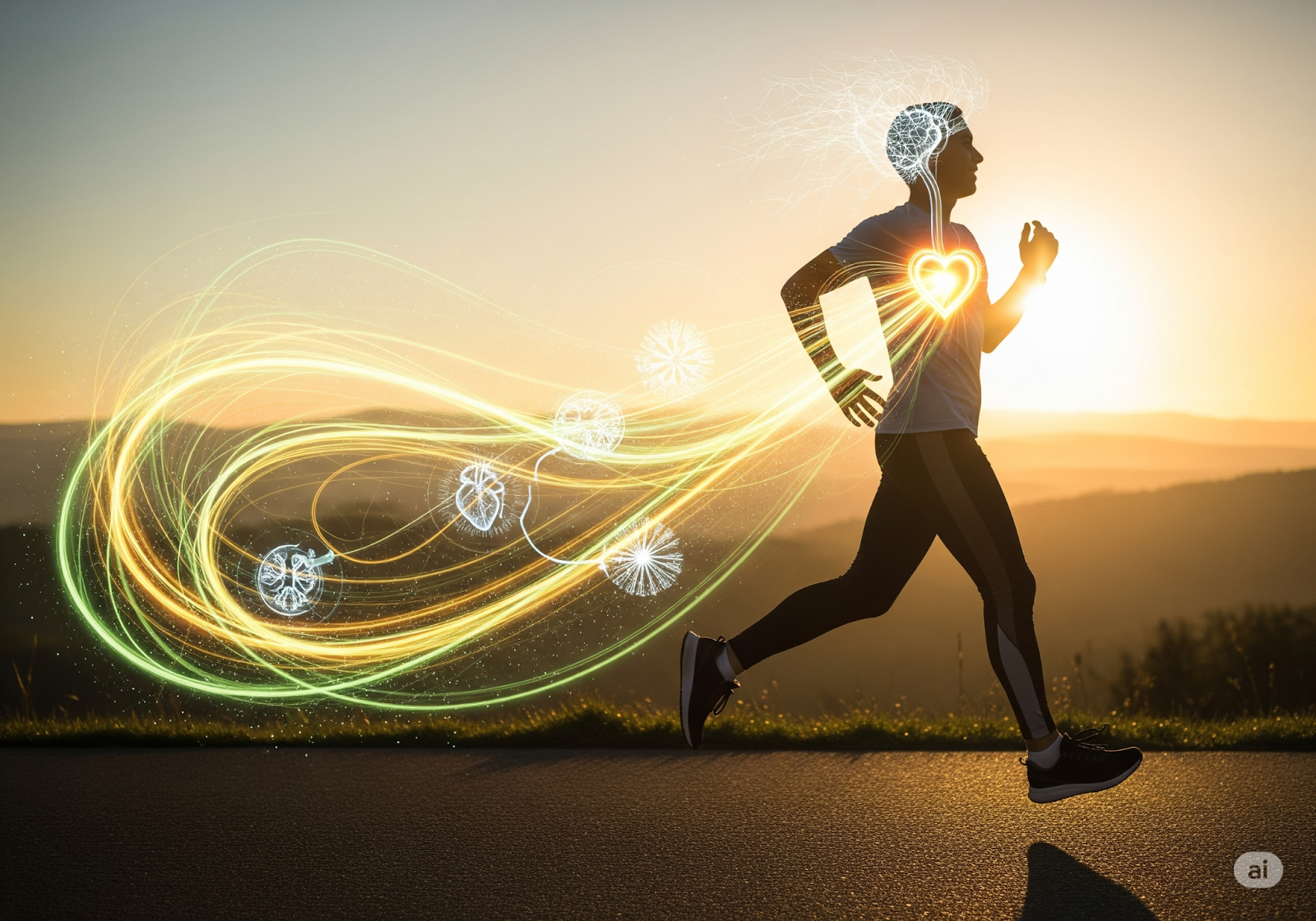
The Physical Benefits of Running
1. Cardiovascular Strength
Running is a cardiovascular exercise that challenges and strengthens the heart. Regular running increases heart efficiency, improves circulation, and lowers resting heart rate. Studies consistently show that runners have lower risks of heart disease, hypertension, and stroke compared to non-runners. Every stride you take helps your heart pump blood more effectively, delivering oxygen to tissues and removing toxins.
2. Weight Management
Running burns calories efficiently. A moderate-paced run can burn between 300–500 calories in just 30 minutes. Over time, consistent running helps in maintaining a healthy weight or reducing excess body fat. Unlike many exercises that target specific areas, running provides a full-body workout that supports long-term weight control.
3. Stronger Bones and Joints
Contrary to the myth that running “destroys your knees,” research shows that running actually strengthens bones and joints. The impact from running stimulates bone density, reducing the risk of osteoporosis as you age. Healthy cartilage and joints adapt to the pressure, becoming more resilient.
4. Immune System Boost
Running has been shown to improve immune system response. Regular runners experience fewer colds, flus, and infections. The increased blood circulation helps immune cells move quickly through the body, detecting and fighting illness more effectively.
Mental Health and Running
1. Stress Relief
One of the most immediate benefits of running is stress reduction. Physical activity releases endorphins, the body’s natural “feel-good” chemicals. This creates the famous “runner’s high,” a euphoric state that reduces stress and improves mood. Running outdoors also exposes you to fresh air and natural environments, further calming the mind.
2. Combating Anxiety and Depression
Running has been proven as an effective tool for managing anxiety and depression. The rhythmic motion of running acts almost like meditation, bringing focus to breathing and movement. This mindfulness effect reduces overthinking, promotes relaxation, and provides a sense of control.
3. Boosting Cognitive Function
Running stimulates brain activity by increasing blood flow and oxygen to the brain. Studies have shown that consistent runners perform better in memory tests, concentration tasks, and creative thinking. Running may also reduce the risk of age-related cognitive decline, including Alzheimer’s disease.
4. Better Sleep
Quality sleep is essential for wellness, and running improves both sleep duration and depth. Runners often fall asleep faster, enjoy deeper rest, and wake up feeling more refreshed.
Running and Longevity
Running doesn’t just make you feel healthier—it may actually extend your life. Research suggests that runners live three years longer on average than non-runners. Even running for as little as 5–10 minutes a day at a slow pace has been linked to significant longevity benefits. This is because running lowers risks of chronic diseases, reduces inflammation, and keeps the body biologically younger.

The Social Dimension of Running
1. Running Communities
Running is often seen as a solitary activity, but it also has a powerful social aspect. Running clubs, park runs, marathons, and local events bring people together. Sharing the same path or finishing line creates bonds, friendships, and a sense of belonging.
2. Motivation Through Connection
Being part of a running group keeps people accountable and motivated. Training together not only enhances performance but also fosters emotional support and camaraderie. For many, the social connection is just as important as the health benefits.
Running as a Form of Mindfulness
Running is more than physical movement; it can be a form of moving meditation. Many runners describe a state of flow, where they lose track of time, worries, and distractions. Breathing in rhythm with steps creates awareness of the present moment. This meditative quality makes running a practice not only for the body but also for the soul.
Overcoming Challenges in Running
While running offers immense benefits, beginners often face challenges such as fatigue, injuries, or lack of motivation. The key is to start small, listen to your body, and gradually build endurance. Proper footwear, warm-ups, and rest days are essential to prevent injuries. Setting realistic goals, such as completing a 5K, can keep motivation alive and progress steady.
Running in the Modern Wellness Movement
Today’s wellness culture has embraced running as a core practice. Fitness apps, wearable trackers, and smart shoes allow runners to monitor progress, heart rate, distance, and even sleep patterns. Virtual running events connect runners worldwide, proving that technology and tradition can work hand in hand.
Eco-friendly running gear and sustainable practices are also gaining attention. From recycled-material sneakers to eco-marathons promoting environmental awareness, running is aligning with broader wellness values beyond personal health.
Why Every Step Counts
The true power of running lies not in speed or distance but in consistency. Even short daily runs bring measurable benefits. Every step taken contributes to stronger muscles, better mood, and healthier living. Running is not about competing with others; it’s about connecting with your body, nurturing your mind, and enhancing your quality of life.
Conclusion: Running Toward a Healthier Tomorrow
Running is more than an exercise—it is a path to holistic wellness. Physically, it strengthens the heart, bones, and immune system. Mentally, it reduces stress, enhances focus, and supports emotional well-being. Socially, it connects communities and builds friendships. Spiritually, it offers moments of mindfulness and inner peace.
Every step matters, not just for fitness but for the pursuit of a healthier, longer, and more fulfilling life. Whether you run fast or slow, far or near, the act itself is transformative. In a world where health is more precious than ever, running stands as one of the simplest yet most powerful habits you can embrace. Truly, with every step, you are running not just for fitness—but for wellness.
About the Author