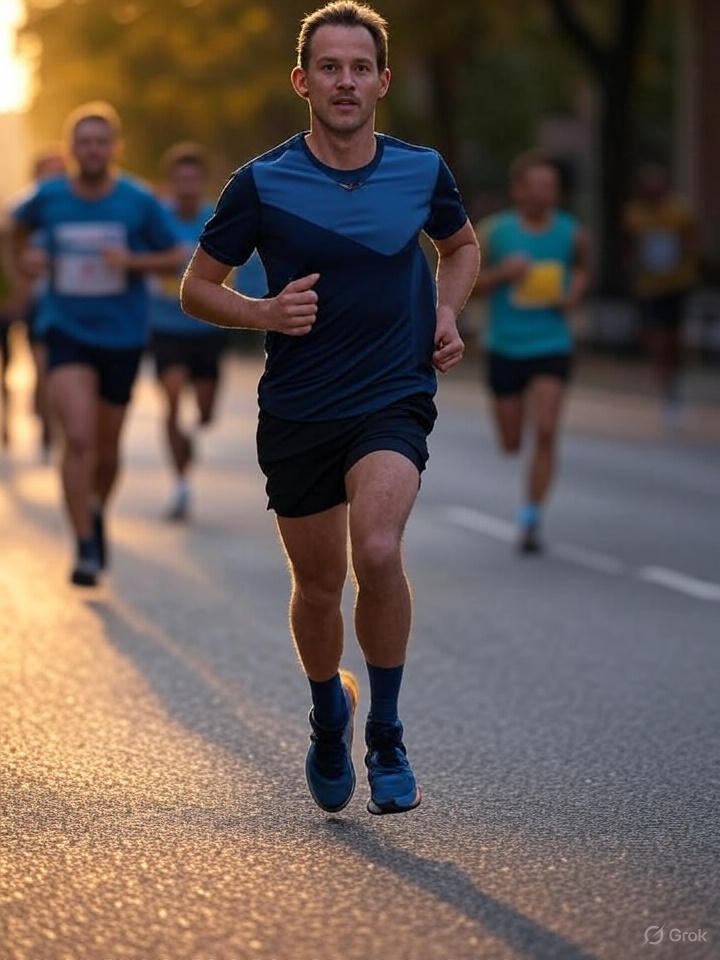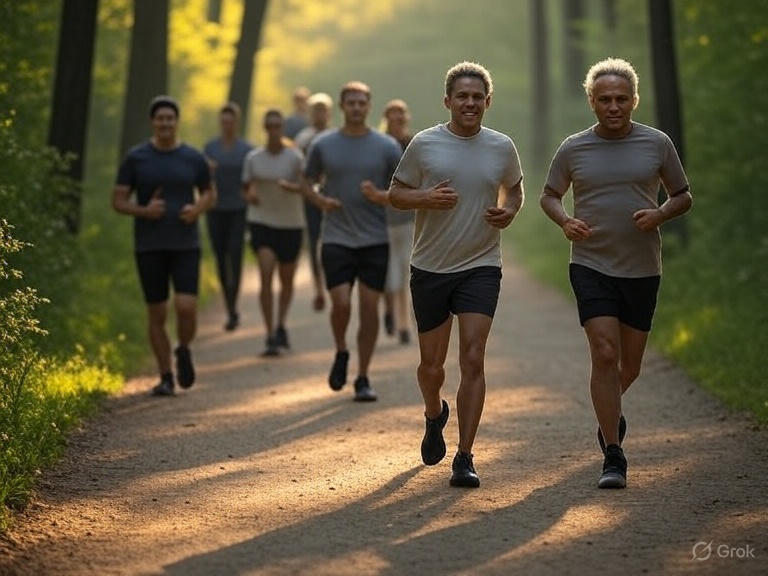

Introduction: The Timeless Stride
For centuries, humans have relied on running—not just as sport, but as survival. From ancient hunters chasing prey across open plains to modern marathoners conquering city streets, running has always been a symbol of vitality, strength, and endurance. Yet in today’s fast-paced, technology-driven world, running has taken on a new role: a pathway to longevity and lasting vitality.
Science now confirms what many runners have long felt in their bones: running can add years to life and life to years. Whether you’re lacing up for the first time or chasing your next personal record, every step you take has the power to improve your health, slow aging, and enhance your overall well-being.
This article explores how running promotes longevity and vitality, not just by strengthening the body but also by nurturing the mind and spirit.
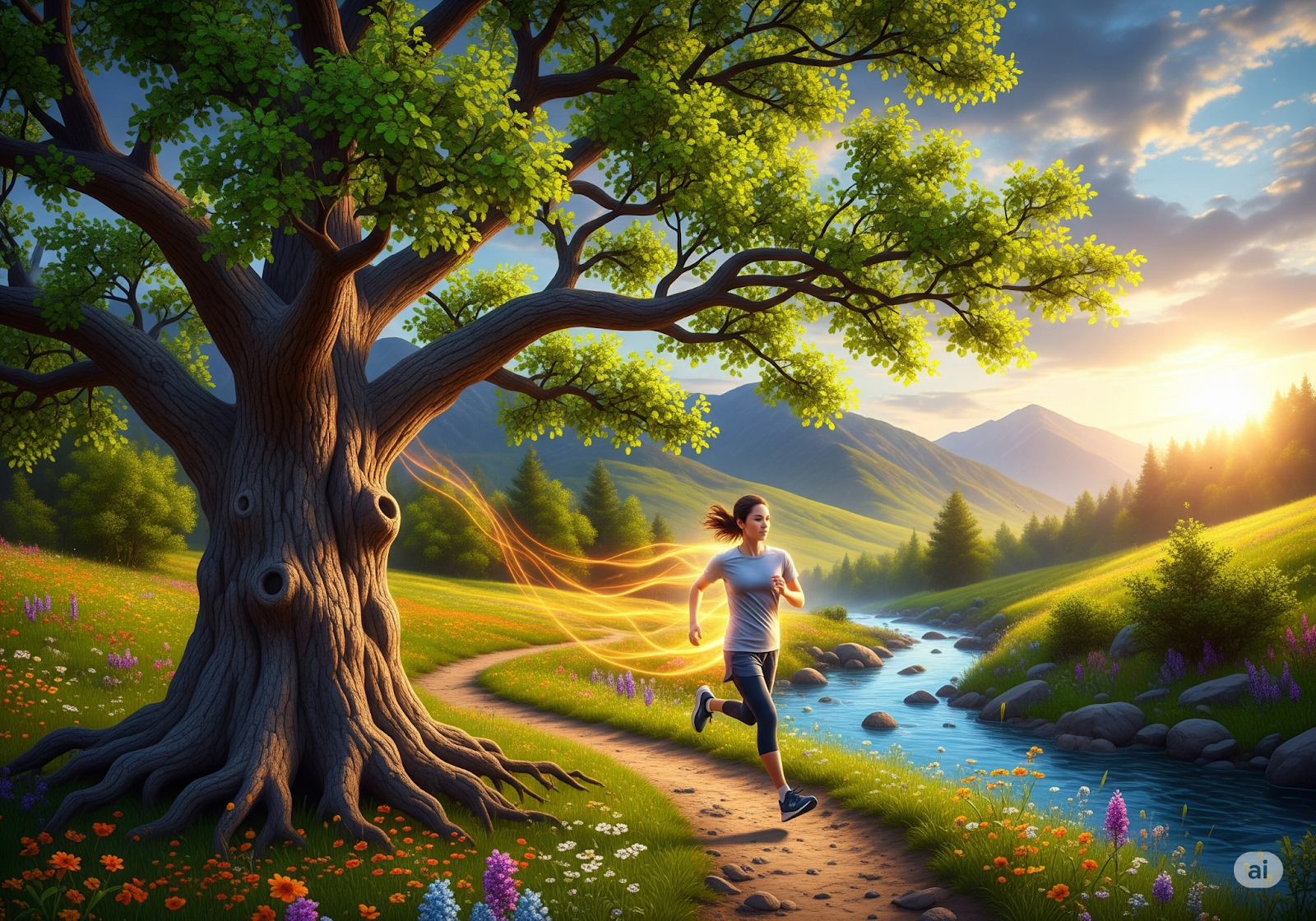
Part 1: The Science of Running and Longevity
1.1 Extending Life Expectancy
Numerous studies show that regular runners live longer than non-runners. Research published in the Journal of the American College of Cardiology revealed that runners reduce their risk of premature death by up to 40% and can add three years or more to their lives.
Even short, easy runs—just 5 to 10 minutes a day—are linked to significant reductions in mortality from cardiovascular disease. Running doesn’t require marathons; consistency matters more than distance.
1.2 Heart Health and Circulation
Running strengthens the heart, lowers blood pressure, and improves circulation. A stronger heart pumps blood more efficiently, reducing strain on the cardiovascular system. The result is not only a longer life but also one filled with greater energy and vitality.
1.3 Cellular Youth and Anti-Aging
Scientists have found that runners often have longer telomeres—the protective caps at the ends of DNA strands. Longer telomeres are associated with slower cellular aging, meaning that regular runners literally keep their cells younger. Running also stimulates the production of mitochondria, the “power plants” of cells, keeping energy levels high even as we age.
Part 2: Running for Vitality in Daily Life
2.1 Boosting Energy Levels
Paradoxically, running expends energy yet leaves people feeling more energized. This is because running improves oxygen flow, strengthens muscles, and optimizes metabolism. Instead of dragging through the day, runners often report increased productivity, sharper focus, and greater zest for life.
2.2 Strengthening the Immune System
Moderate running enhances immune function by improving circulation of white blood cells and reducing inflammation. Runners are less likely to suffer from colds, flu, or chronic inflammation-related conditions.
2.3 Maintaining Healthy Weight
Running is one of the most effective exercises for burning calories and maintaining a healthy weight. This prevents obesity-related conditions such as type 2 diabetes, heart disease, and joint problems—critical for maintaining vitality into old age.
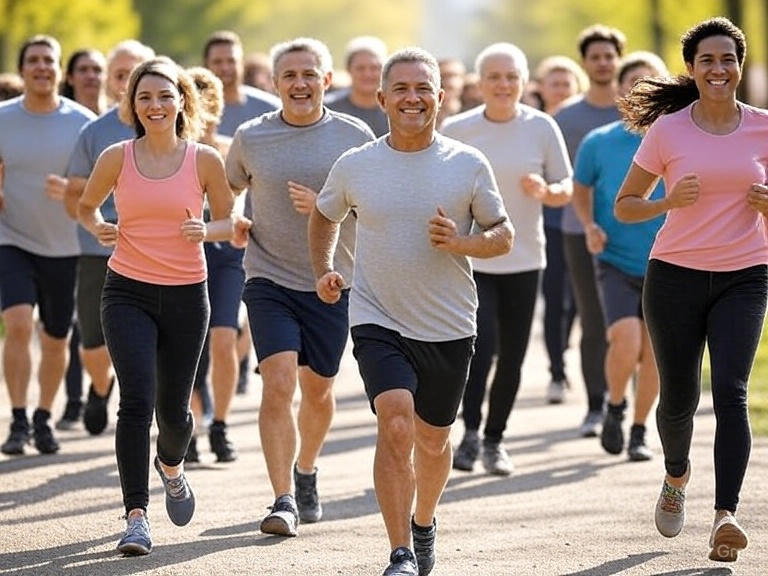
Part 3: Running and the Mind
3.1 The Psychological Benefits
Running has profound effects on mental health. It reduces anxiety, depression, and stress through the release of endorphins, serotonin, and dopamine. Many runners describe the “runner’s high” as a natural mood elevator, often more effective than medication.
3.2 Cognitive Longevity
Running improves memory, focus, and problem-solving skills. Studies link aerobic exercise with greater hippocampal volume, the brain region responsible for memory. This means running helps protect against age-related cognitive decline and diseases like Alzheimer’s.
3.3 Building Mental Resilience
Life is full of challenges, and running is a natural teacher of resilience. The discipline, patience, and persistence needed to train carry over into daily life, making runners more adaptable and mentally strong.
Part 4: Running as a Social Connector
4.1 Community and Belonging
Joining running clubs, participating in charity races, or even running with friends fosters connection. Social relationships are a proven predictor of longevity, and running communities often provide emotional support, encouragement, and friendship.
4.2 Inspiration Across Generations
Running is one of the few activities that can be enjoyed across ages. Families, from grandparents to children, can run together, strengthening bonds and inspiring healthier lifestyles across generations.
Part 5: Running and Emotional Healing
5.1 Stress and Emotional Balance
Running provides a safe outlet for frustration, grief, and emotional tension. For many, the rhythm of footsteps acts like therapy, offering clarity and peace.
5.2 Confidence and Self-Worth
Each mile completed is a personal victory. Running builds self-esteem, reminding people of their inner strength and capacity for growth. This emotional empowerment contributes to overall vitality.
Part 6: The Spiritual Side of Running
6.1 Running as Moving Meditation
Many runners describe running as a form of meditation. The repetitive rhythm of breath and stride creates a mindful state where worries fade, and presence deepens. This spiritual renewal fosters peace and purpose, both of which are linked to longer, happier lives.
6.2 Running in Nature
Trail running amplifies the spiritual benefits by connecting runners to the natural world. Sunlight, fresh air, and scenic landscapes nurture vitality in ways that treadmills cannot replicate. Nature itself is healing, and running through it multiplies the effect.
Part 7: Practical Ways Running Promotes Longevity
7.1 Start Small, Stay Consistent
Longevity benefits don’t require extreme running. Beginners should focus on short, manageable runs—10 to 20 minutes several times a week—before building up.
7.2 Balance Intensity
Too much intense running can stress the body, but moderate running combined with rest maximizes health benefits. The key is balance: alternating easy runs, long runs, and rest days.
7.3 Nutrition and Hydration
Running works best when paired with proper nutrition and hydration. Eating whole foods, staying hydrated, and fueling correctly ensures that running strengthens rather than depletes the body.
7.4 Prioritize Recovery
Stretching, sleep, and rest are essential. Recovery ensures muscles rebuild, bones strengthen, and energy remains high—crucial for long-term vitality.
Part 8: Stories of Longevity Through Running
8.1 The 70-Year-Old Marathoner
Globally, countless seniors continue running marathons into their 70s, 80s, and beyond. These athletes prove that running is not limited to youth. They embody vitality, defying age with every stride.
8.2 From Couch to Centenarian
Some centenarians credit running with their long lives. Their stories often include daily jogging routines, showing that running, even at moderate levels, contributes to exceptional longevity.
8.3 Everyday Heroes
Not every longevity story is about elite runners. Many everyday people—teachers, parents, retirees—share how running helped them overcome illness, recover from loss, or maintain energy well into their later years.
Part 9: The Future of Running and Longevity
9.1 Scientific Discoveries Ahead
As sports science advances, more research is revealing the mechanisms behind running’s power to extend life. From cellular repair to genetic expression, the future may show even more profound benefits.
9.2 Technology and Tracking
Smart shoes, watches, and health apps now allow runners to track progress, optimize training, and reduce injury risk. Technology is making longevity through running more accessible to everyone.
9.3 A Global Running Movement
From Parkruns to ultramarathons, running is becoming a global movement. As more people embrace running, its role in promoting longevity and vitality will continue to grow, transforming public health worldwide.
Conclusion: Running Toward a Longer, Vital Life
Running is more than a sport. It is medicine, therapy, community, and even spirituality. Each run strengthens the heart, clears the mind, and uplifts the spirit. Whether running 5 minutes a day or training for marathons, the benefits ripple across the body and life itself.
To “run for your life” is not just an expression—it’s a literal truth. Running promotes longevity by extending years and vitality by filling those years with energy, clarity, and joy.
The beauty of running lies in its simplicity: no expensive gyms, no complicated equipment, just the will to step outside and begin. Every step is an investment in a healthier, longer, and more vibrant life.
So lace up, step out, and run for your life—because the path to longevity and vitality is waiting, one stride at a time.
About the Author